

“Race for Life” is one of the UK’s largest charity events, organised by the world’s biggest independent organisation, Cancer Research UK. During the event, participants can choose to jog or walk various distances – 5km or 10km – to raise sponsorship funds. Through such initiatives, vital funds are raised for important cancer research in the country. This overview provides detailed information about the event’s features and key preparation aspects.
History of “Race for Life”
Jim Cowan is credited as the original creator of “Race for Life”. In 1993, his father was diagnosed with prostate cancer. Faced with this serious illness, Jim decided to launch a charitable project that could raise funds for research into around 200 types of cancer.
Initially, only women of various ages and social backgrounds could participate in these events. Jim created the concept of 5-kilometre runs with a friendly atmosphere and no competitive element whatsoever. The main focus was on participation rather than results.
Jim received organisational support from the Imperial Cancer Research Fund, enabling the first race to take place in 1994. That year, 750 women participated, raising £48,000. Jim Cowan became the event director. However, Jim’s father didn’t live to see this magnificent event launch, as he passed away in autumn 1993.
Features of “Race for Life”
Until 2012, only women could participate in the event, but in 2012 the rules were slightly modified to allow boys under 12 to take part. However, by 2019, allrestrictions regarding “Race for Life” participants were removed, making the race accessible to everyone regardless of age group, fitness level, or gender.
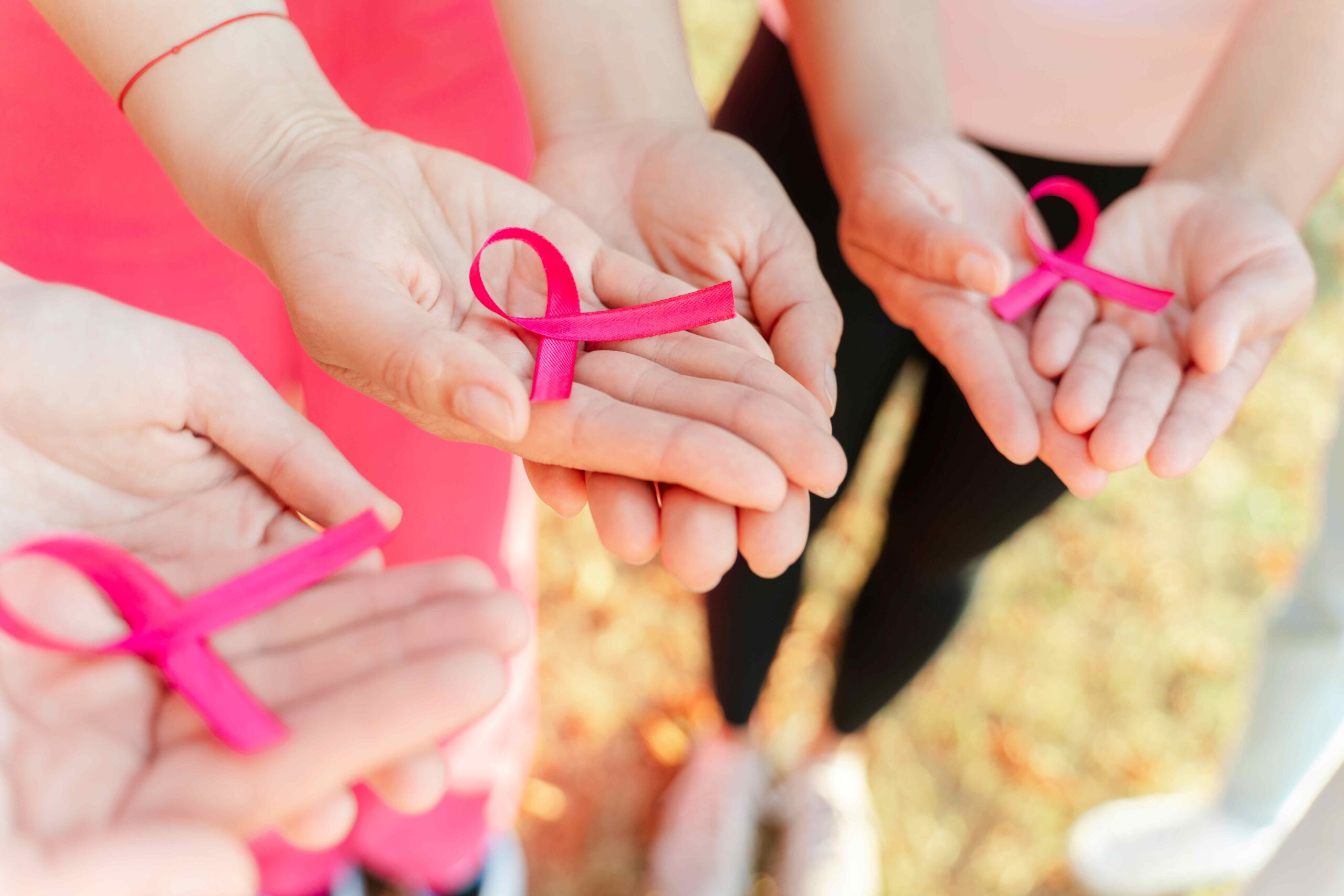
“Race for Life” events were held annually, with the exception of 2020, when the pandemic forced the event to be postponed to 2021. Despite this, 2020 saw a completely different format – “Race for Life at Home”. This virtual event also managed to raise significant funds. Today, throughout its existence, the charity project has helped raise approximately £970 million for cancer patient treatment.
Besides running, “Race for Life” also offers other interesting activities:
- Completing 3km, 5km and 10km routes on foot at participants’ most comfortable pace
- Completing the “Pretty Muddy” 5km obstacle course – participants can climb over and crawl through various obstacles, as well as run at maximum speed
- “Pretty Muddy Kids” children’s events for the youngest participants
“Race for Life” unites all people in the fight against cancer, giving people a chance to beat the disease and return to their former lives.
Preparing for “Race for Life”
Training for “Race for Life” will help you easily complete your chosen distance, even without good physical preparation. Therefore, before registration begins, you should use the suggested 6-week training plan for running or walking your chosen distance.
Useful Tips for Everyone
To get maximum enjoyment from the upcoming event, you need to familiarise yourself with basic recommendations.
Training for “Race for Life” tips:
- For beginners, regular training comes first, helping to master jogging, regular running, or long-distance walking. You need to train your endurance.
- Training shouldn’t be exhausting, so each future participant should create an individual plan. It’s recommended to gradually increase the load, improving physical fitness using running and walking strategies.
- When planning training, pay attention to your wellbeing and health condition.
- Any physical exercise must be preceded by a warm-up, and it’s best to stretch after completing sessions to keep your body in good condition.
- To get maximum benefit from training, don’t neglect proper nutrition. This will provide energy for running or walking and help you recover quickly after training.
- To maintain motivation, it’s crucial to monitor results and see progress. Therefore, it’s recommended to download various mobile apps (Strava, Map My Run, or Runkeeper) if you can’t use a pedometer or sports watch functionality.
- Sound, healthy sleep is the foundation of rapid body recovery.
- Maintaining water balance – you need to drink your daily water requirement, and it’s especially important to drink plenty of water before and after training.
Before the race begins, pay attention to choosing comfortable sportswear – from trainers to sports bras, which is important for women.